Indianapolis Roofing Contractors: Ultimate Guide
Professional Roofing Contractors: Your Go-To Guide for Quality Services and Expert Solutions
Identifying highly-rated roofing contractors necessitates careful consideration. High-quality services and professional solutions are crucial for sustaining a durable roofing system. People should analyze various factors, including contractor reputation and customer feedback. Grasping these aspects can lead to informed decisions. However, there are key steps to take in this process that can significantly impact outcomes. What are these steps, and how can they secure the best results for your roofing needs?
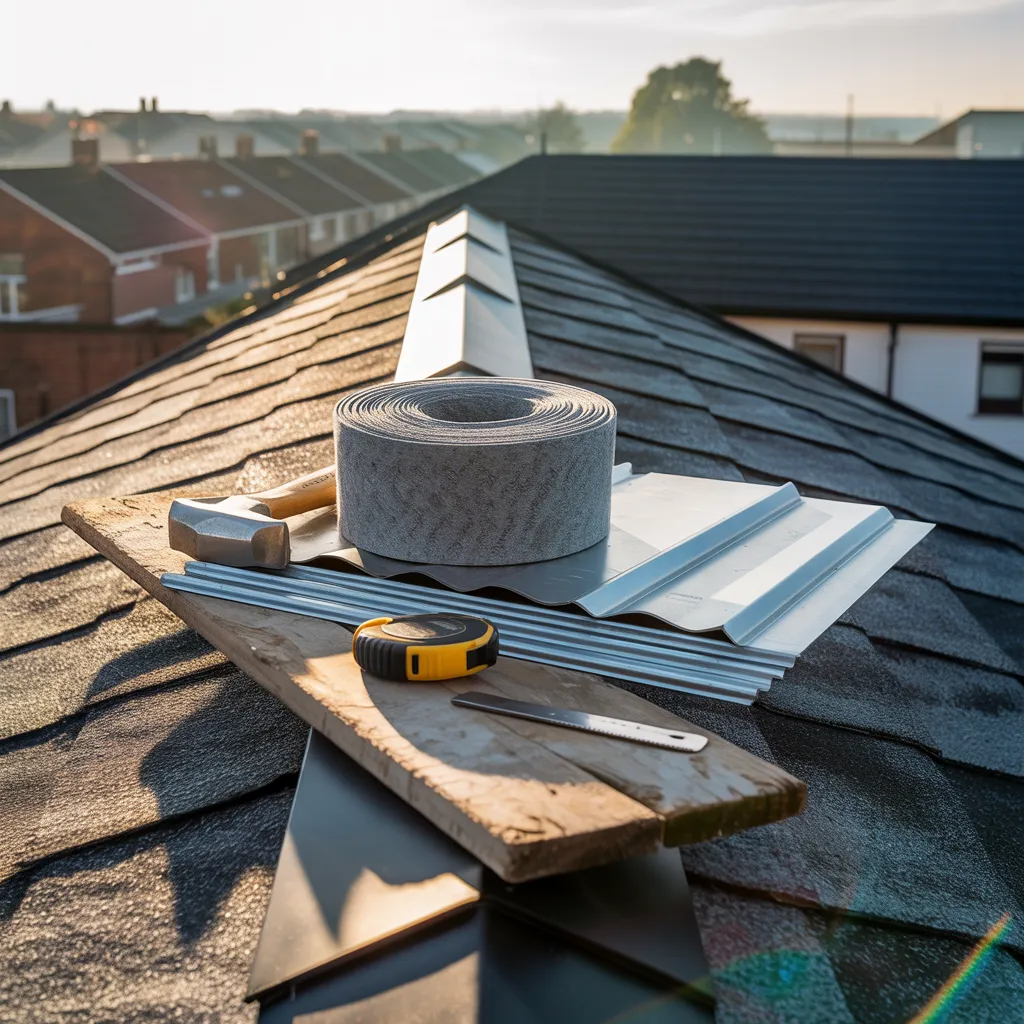
Recognizing the Significance of a Quality Roof
While many homeowners tend to overlook it, the state of a roof plays an important role in protecting a property. A well-constructed roof guards against weather elements, such as rain, snow, and wind, which can result in substantial damage if not adequately managed. Moreover, a long-lasting roof supports the general energy efficiency of a home, working to regulate temperature and lower heating and cooling costs.
Along with practical benefits, a quality roof improves the aesthetic appeal of a property, potentially boosting its market value. Homeowners who invest in premium materials and skilled installation can benefit from peace of mind, knowing their roof will withstand the test of time. Regular maintenance and timely repairs are also crucial, as neglect can lead to costly issues down the line. In the end, prioritizing roof quality is an investment in the longevity and integrity of any home.
Main Points to Consider When Finding a Roofing Contractor
While choosing a roofing contractor, homeowners need to evaluate several key factors to make certain they make an informed choice. First, verifying the contractor's licensing and insurance is critical; this ensures compliance with local regulations and shields against potential liabilities. Furthermore, reviewing the contractor's experience and expertise in specific roofing materials can provide understanding of their capacity to handle the project effectively.
Another important aspect is checking references and customer reviews, which offer valuable perspectives on the contractor's quality of work and customer service. Furthermore, getting detailed written estimates from different contractors permits homeowners to evaluate pricing and offerings, ensuring transparency. Finally, understanding the warranty options provided can shield the investment. By assessing these elements, homeowners can securely choose a roofing contractor who addresses their needs for reliability and quality.
Highly-Rated Roofing Contractors in the Area
What methods can homeowners use to find the most reputable roofing contractors in their region? Through extensive investigation and employing several critical resources, homeowners can locate highly-rated experts. Web-based resources including Yelp, Angie's List, and Google Reviews offer useful feedback through user testimonials and scores. Moreover, regional discussion boards and social media communities can offer endorsements derived from individual experiences.
Homeowners should also check for licensing and insurance protection to guarantee compliance with area regulations. What's more, getting multiple quotes can help to determine pricing and service offerings. Word-of-mouth referrals from neighbors, friends, or family who have recently completed roofing projects can lead to trustworthy options.
Lastly, visiting contractors' websites allows homeowners to evaluate their portfolios, services, and warranties. By taking these steps, homeowners can assuredly pick the most qualified roofing contractors in their area, securing a prosperous and pleasing roofing project.
Typical Roofing Problems and Fixes
Although numerous property owners might not be aware, common roofing issues can cause significant problems if not handled promptly. One of the most prevalent issues is water infiltration, often caused by damaged shingles, roof flashing, or improper installation. This water penetration can lead to water damage and mold formation within the home. A different problem is insufficient ventilation, which can cause excessive heat buildup and consequent deterioration to roofing systems.
Additionally, broken or missing shingles can reveal the underlying structure to environmental elements, contributing to further deterioration. Homeowners should also remain vigilant about sagging roofs, which may point to damage to the structure or poor structural support.
Standard solutions consist of regular inspections by professional roofing contractors, timely repairs, and proper ventilation installation. Dealing with these common problems in a timely manner guarantees the longevity of the roof and protects the home from costly repairs in the future. Understanding these issues equips homeowners to maintain their roofs effectively.
What to Expect During the Roofing Process: From Start to Finish
Grasping the roofing process is crucial for homeowners who aim to guarantee a smooth and streamlined project from start to finish. The process typically begins with a detailed inspection, where contractors examine the roof's condition and identify necessary repairs or replacements. Following this, homeowners receive detailed estimates outlining costs and timelines.
Once an agreement is reached, preparation work is performed, including acquiring permits and verifying the site is safe. The installation phase includes removing old materials, followed by the application of new roofing systems, which may include tiles, shingles, or metal.
Once installation is complete, a final inspection validates that all work satisfies quality standards. Homeowners should look forward to a cleanup phase, where debris is cleared away, leaving the property clean. During the process, communication between the contractor and homeowner is critical for addressing concerns and ensuring satisfaction with the completed work.
Common Questions
How Do I Know if My Roof Needs Replacement or Repair?
To identify whether a roof needs replacement or repair, inspect for missing shingles, leaks, sagging, and considerable wear. Engaging a professional can supply a complete evaluation and guidance based on the conditions found.
What Types of Warranties Should Roofing Contractors Provide?
Roofing companies usually present warranties that cover workmanship, materials, and manufacturer defects. Expect limited warranties ranging from five to twenty years, contingent upon the contractor and the materials utilized, providing protection against future concerns.
Do Roofing Quotes Come Free or With a Cost?
Most roofing contractors provide free estimates to potential clients, allowing homeowners to assess costs without monetary commitment. However, some may levy fees based on project complexity or specific services, so it's advisable context information to ask beforehand.
What Types of Roofing Materials Are Available for My Home?
Multiple roofing materials are accessible for homes, including asphalt shingles, metal, wood shakes, clay tiles, and slate. Each material provides distinct benefits related to durability, aesthetics, and cost, addressing various homeowner needs.
How Long Does a Typical Roofing Project Take to Complete?
A typical roofing project typically takes between one to three weeks to complete, based on factors like the size of the roof, weather conditions, and the complexity of the required installation or repairs.